
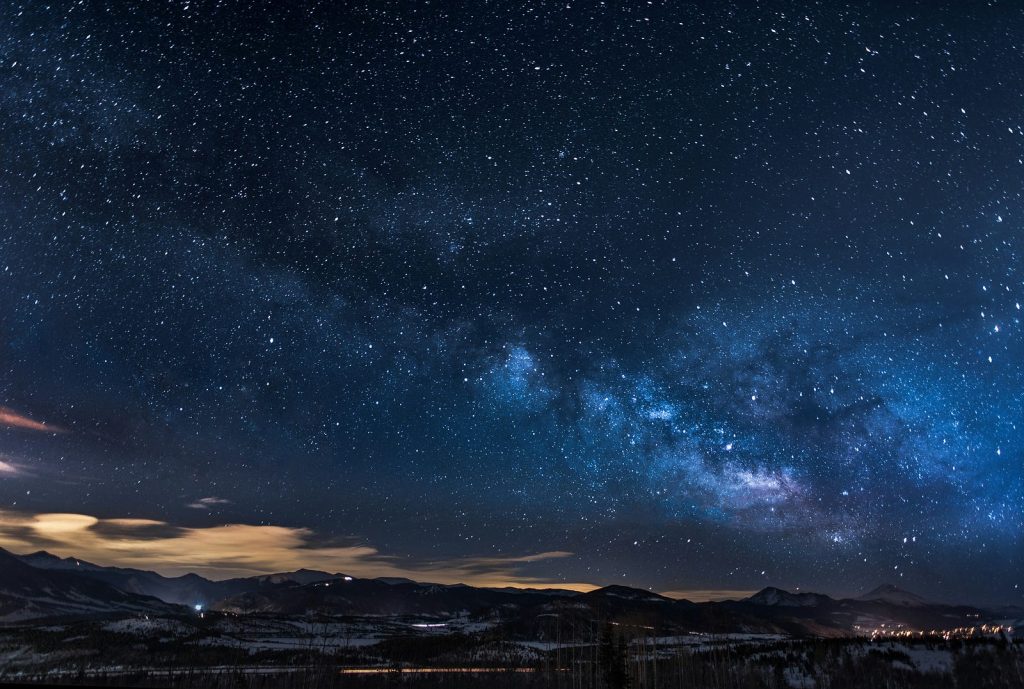
When the sun sets and the streets empty, the city doesn’t go silent. It transforms. Streetlights flicker on, windows dim, and an entire hidden world wakes up. While humans sleep, countless creatures take over the concrete jungle, adapting to our chaos in ways that are as clever as they are unsettling.
The Midnight Scavengers
The night belongs to the opportunists.
- Raccoons, known for their dexterous paws and problem-solving skills, navigate trash bins with the precision of safe-crackers.
- Stray dogs and cats form temporary alliances, patrolling alleys in search of food.
- Crows and rats coordinate their routines with human waste schedules, learning when and where fresh scraps appear.
These urban survivors have evolved to understand our patterns — and exploit them.
The Silent Hunters
Look up at a lamppost late at night, and you might see a flash of movement an owl on the hunt.
- Owls, hawks, and even peregrine falcons thrive in cities, using skyscrapers as cliffs and ledges as nests.
- Streetlights attract moths and insects, which in turn attract bats — silent predators patrolling the skyline.
- Their presence keeps rodent populations in check, balancing an ecosystem most city dwellers never notice.
The night sky above the city is a battlefield of precision, speed, and survival.
The Builders in the Shadows
While we rest, another group of creatures works quietly on architecture far more intricate than ours.
- Spiders rebuild their webs each night, adapting them to the wind currents around buildings.
- Moths, drawn to artificial light, have altered their navigation instincts entirely because of city glow.
- Even cockroaches adjust their movements to avoid the hours when humans are most active.
Every corner, from bus stops to rooftops, becomes part of a hidden ecosystem that never truly sleeps.
The Unexpected Guests
City parks, though manicured and controlled, turn wild after dark.
- Foxes, hedgehogs, and mongoose emerge to forage, navigating paths as efficiently as commuters do by day.
- Fireflies blink in brief, coded conversations, seeking mates in the dim edges of streetlights.
- Even plants adjust their nighttime chemistry, releasing fragrances that attract nocturnal pollinators.
Nature doesn’t vanish in the city it adapts.
What the Night Reveals
When you strip away human noise, the city’s true rhythms emerge. These creatures remind us that we never truly live alone.
- For every human apartment, there’s a nest, burrow, or web nearby.
- For every streetlight, there’s a creature drawn to or avoiding its glow.
- The balance between human expansion and urban wildlife is fragile, yet astonishingly complex.
Nighttime reveals a city that is far more alive — and far more ancient — than it seems.
Cities never sleep, not because of people, but because of the hidden lives that thrive in our absence. From bats under bridges to foxes in parking lots, every night tells a story of survival, adaptation, and quiet coexistence.
If we listened more closely to what happens after dark, we might realize that nature has never left the city it simply learned to live in our shadow.