
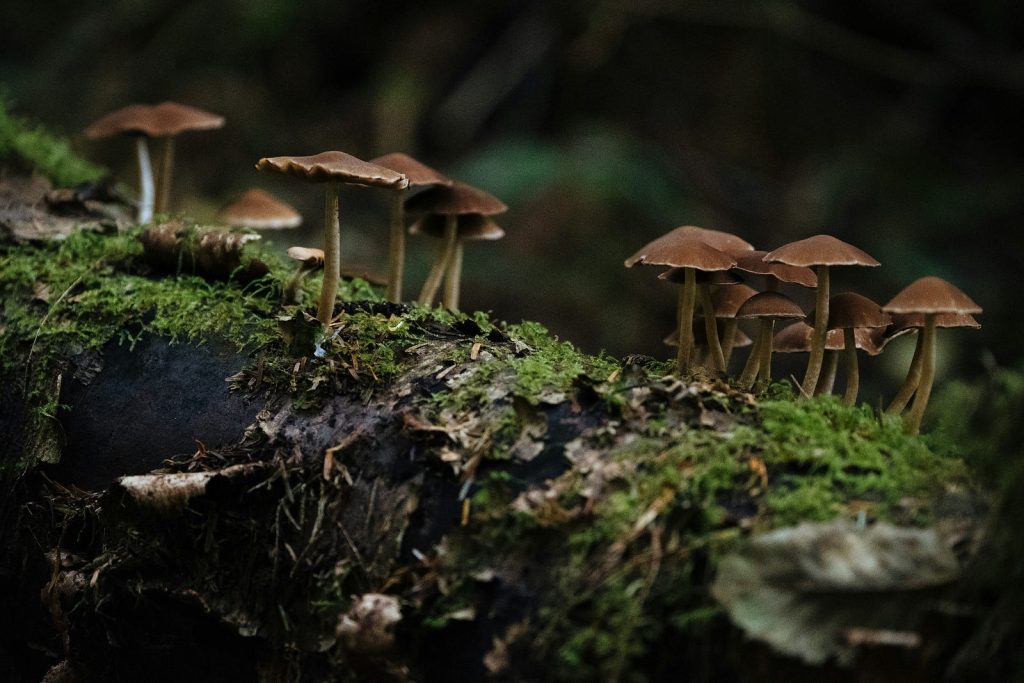
We walk through cities, surrounded by concrete, glass, and steel, thinking we’ve built the world ourselves. But beneath our feet, hidden from sight, is a network that quietly supports everything: fungi. These underground organisms are the unsung architects of life, connecting trees, plants, and even city ecosystems in ways most people would never imagine.
The Underground Network
Fungi are more than mushrooms popping up in the forest. Their mycelium a web of thread-like filaments acts like the internet of the natural world:
- Mycelium connects plant roots, exchanging nutrients, water, and chemical signals.
- This underground web can span miles, linking entire forests or even urban green spaces.
- Some fungi even communicate danger, alerting neighboring plants to pests or disease.
Without fungi, plants would struggle, trees would weaken, and even city parks would lose their vitality.
Fungi in the City
Even in urban environments, fungi thrive:
- They break down organic waste, recycling nutrients in soil and compost piles.
- Lichens, a symbiosis of fungi and algae, cling to buildings and trees, purifying air and absorbing pollutants.
- Fungal networks help green spaces survive in harsh city conditions, from droughts to compacted soils.
Cities might look like human creations, but fungi quietly make them livable.
The Silent Influencers
Fungi do more than support plants:
- They influence soil health, water retention, and even carbon storage, impacting climate resilience.
- Some fungi form mutual relationships with animals, like leafcutter ants farming fungus as food.
- Fungal spores travel through the air, subtly shaping ecosystems far beyond where they grow.
They are everywhere, yet almost invisible, quietly shaping life as we know it.
What Happens When Fungi Disappear
Human activity threatens fungal networks:
- Pesticides, pollution, and deforestation destroy delicate mycelium networks.
- Over-compacted urban soils prevent fungi from spreading and connecting plants.
- Climate change alters fungal growth cycles, disrupting ecosystems that rely on them.
Without fungi, even resilient plants and trees would struggle, and cities would become harsher, less sustainable places.
Fungi may be small and hidden, but they are vital. They connect, nourish, and sustain life beneath our feet. Without them, forests would crumble, parks would die, and cities would lose the invisible network that keeps them alive.
The next time you see a mushroom or lichen in an unexpected urban corner, remember: fungi are the secret engineers of life, quietly shaping the world we live in.